Networking Lessons from the Wild!
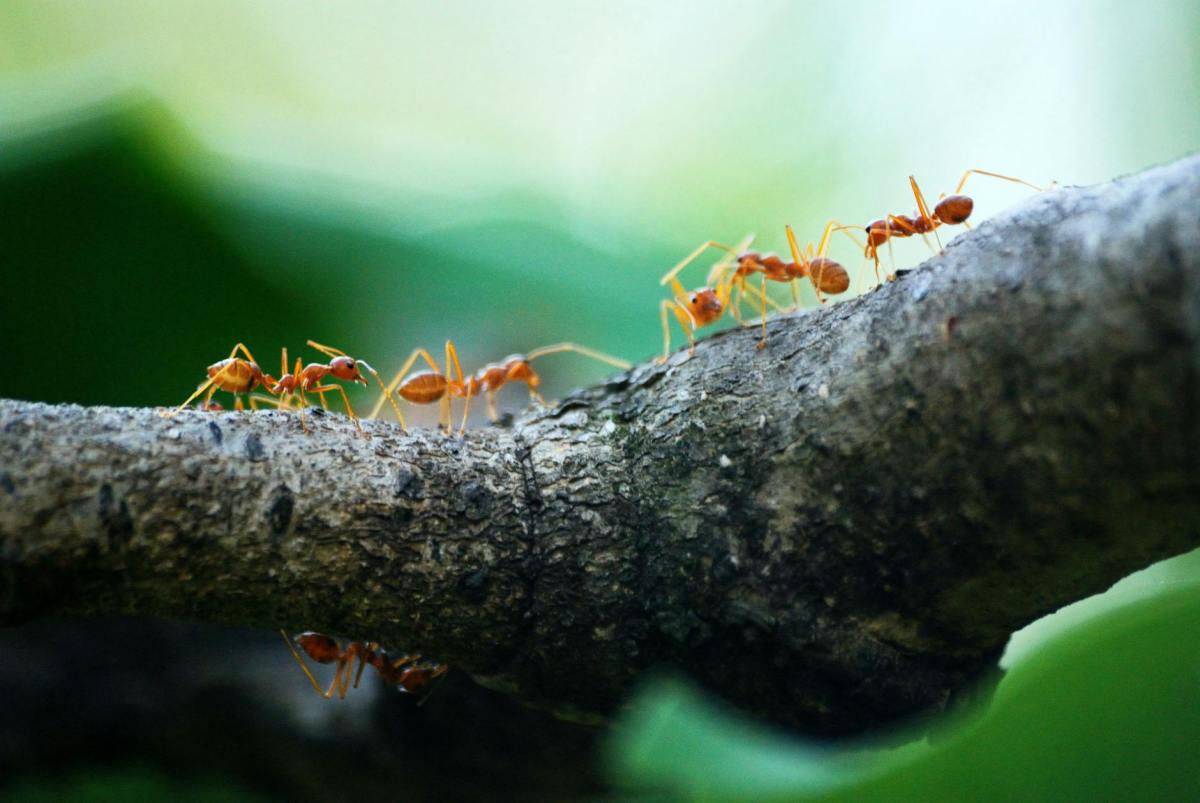
I’ll never forget the day I watched an ant carry the dead body of another ant back to its colony. I was fascinated by the ant’s dedication to its fellow ant, and I couldn’t help but think about how this behaviour relates to human networking. After all, don’t we often say that we want to “leave no one behind” in our personal and professional networks?
As I continued to observe the ants, I realised that they were onto something. They were working together, communicating effectively, and adapting to their environment. And, let’s be real, they were doing it all without the benefit of LinkedIn or a fancy networking event.
In this post, we’ll explore some of the key lessons that humans can learn from animals about networking. From cooperation and communication to adaptability and community, we’ll dive into the ways that animals are already experts at networking.
Lesson 1: Cooperation is Key (or, Why You Shouldn’t Be a Lone Wolf)
I’ve always been fascinated by the way that ants work together to achieve complex tasks. They’re like the ultimate team players, and they’re able to accomplish far more together than they could alone.
But ants aren’t the only ones who know a thing or two about cooperation. Honey bees, for example, are incredibly social creatures that work together to build complex hives and gather food. They’re able to communicate with each other through complex dance patterns, and they’re able to adapt to changing environments with ease.
Humans have copied this cooperative behaviour in many ways. For example, the development of teamwork in the workplace, the creation of social networks, and the use of collaborative tools like Slack and Trello all owe a debt to the ants and honey bees.
Lesson 2: Communication is Crucial (or, Why You Shouldn’t Just Wing It)
Have you ever tried to have a conversation with someone who doesn’t speak your language? It’s frustrating, right? That’s why communication is so important in networking.
Animals have evolved a wide range of communication systems, from the complex vocalisations of birds to the subtle body language of elephants. And, in each case, communication is key to their success.
Take, for example, the humble fish. Fish are able to communicate with each other through a complex system of body language and vocalisations, and they’re able to adapt to changing environments with ease.
Humans have copied this communication behaviour in many ways. For example, the development of language itself is thought to have been influenced by the sounds and rhythms of animal vocalisations. In fact, many linguists believe that the vowels in human language were inspired by the sounds of birdsong.
Lesson 3: Adaptability is Essential (or, Why You Shouldn’t Be a Stick in the Mud)
In the animal kingdom, adaptability is crucial for survival. Animals must be able to adapt to changing environments, find new sources of food, and respond to predators.
Take, for example, the chameleon. Chameleons are able to change their colour to blend in with their surroundings, and they’re able to adapt to changing environments with ease.
Humans have copied this adaptability in many ways. For example, the development of camouflage in military uniforms is a direct copy of the chameleon’s ability to blend in with its surroundings. The different uniforms are designed to blend in with different environments, from the desert to the jungle.
Lesson 4: Community is Everything (or, Why You Shouldn’t Be a Lone Ranger)
Many animals are social creatures, living in complex communities with their own social hierarchies and relationships. And, in each case, community is essential for their survival.
Take, for example, the wolf pack. Wolf packs are incredibly social creatures that work together to hunt and protect their territory. They’re able to communicate with each other through complex vocalisations and body language, and they’re able to adapt to changing environments with ease.
Humans have copied this community behaviour in many ways. For example, the development of social networks like Facebook and Twitter owe a debt to the wolf pack’s ability to work together and communicate effectively.
A Biblical Perspective on Networking
In Genesis 2:19-20, Adam’s task of naming every living creature can be seen as networking, seeking a suitable companion. He realised none were suitable partners until God created Eve.
This biblical account highlights the importance of discernment and intentionality in our networking efforts. Just as Adam sought the perfect partner, we should be selective in choosing valuable connections.
Conclusion
As we’ve seen, animals have a lot to teach us about networking. From cooperation and communication to adaptability and community, the lessons we can learn from the animal kingdom are invaluable.
So, next time you’re out networking, remember to take a page from the animal kingdom’s playbook.
- Seek out opportunities to collaborate with others.
- Practice effective communication, both verbal and nonverbal.
- Stay adaptable and open to new ideas and environments.
- Prioritise building strong relationships and community.
And, most importantly, don’t be afraid to carry a dead ant or two back to your colony. You never know when it might come in handy!
Reg
 Valley Of Potential